
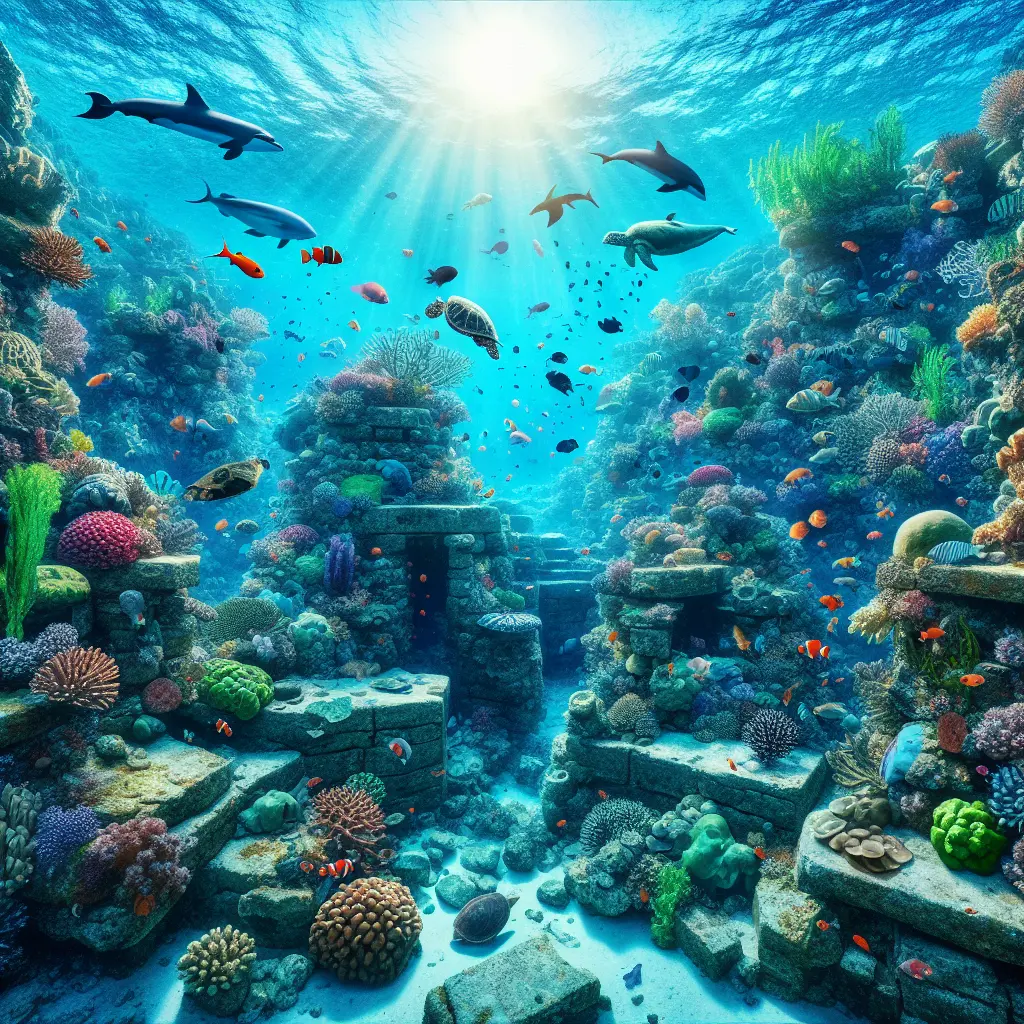

In the vibrant world of aquascaping, a growing trend is capturing the attention of enthusiasts and professionals alike: the art of integrating native plant species. Aquascaping with native plants is not just a nod to aesthetic design but a commitment to sustainable aquascaping practices. By incorporating native aquatic plants, aquascapers can create stunning underwater landscapes that echo local ecosystems and promote biodiversity. These native plant aquascaping tips are essential for anyone looking to enhance their aquascapes with local flora, embracing eco-friendly aquascaping principles.
The benefits of native plants in aquascaping extend beyond beauty. Native species selection for aquascapes ensures harmony between plant life and local conditions, reducing the need for artificial intervention and promoting natural aquascaping ecosystems. This approach to aquascaping design with local plants fosters healthier aquatic environments while allowing for unique expressions of aquascaping aesthetics with native species.
For those seeking to dive into this trend, our comprehensive aquascaping media guide offers invaluable insights into the latest techniques and aquascaping media and plant choices. Whether you're interested in enhancing your setup's biodiversity or exploring innovative aquascaping techniques with native plants, this resource provides everything you need to succeed.
As we delve deeper into native plant maintenance in aquascapes and explore aquascaping trends with native plants, you'll discover how integrating native species in aquascapes can transform your aquatic art into a thriving, sustainable masterpiece.
Let's explore how to create captivating and sustainable aquascapes with the wonders of local vegetation.
Aquascaping with Native Plant Species: Embracing Nature’s Palette
In recent years, aquascaping with native plants has emerged as a leading trend among aquatic hobbyists and professionals alike. This shift not only reflects an aesthetic preference but also a deeper commitment to sustainable aquascaping practices. By focusing on native species in aquascaping, enthusiasts can create vibrant ecosystems that mirror local biodiversity while minimizing environmental impact.
Why choose native plants? The benefits of native plants in aquascaping are manifold:
Ecological Harmony: Native plants are naturally adapted to local climates and water conditions. This means they require less artificial intervention, such as fertilizers or pH adjusters, promoting a more balanced and natural ecosystem.
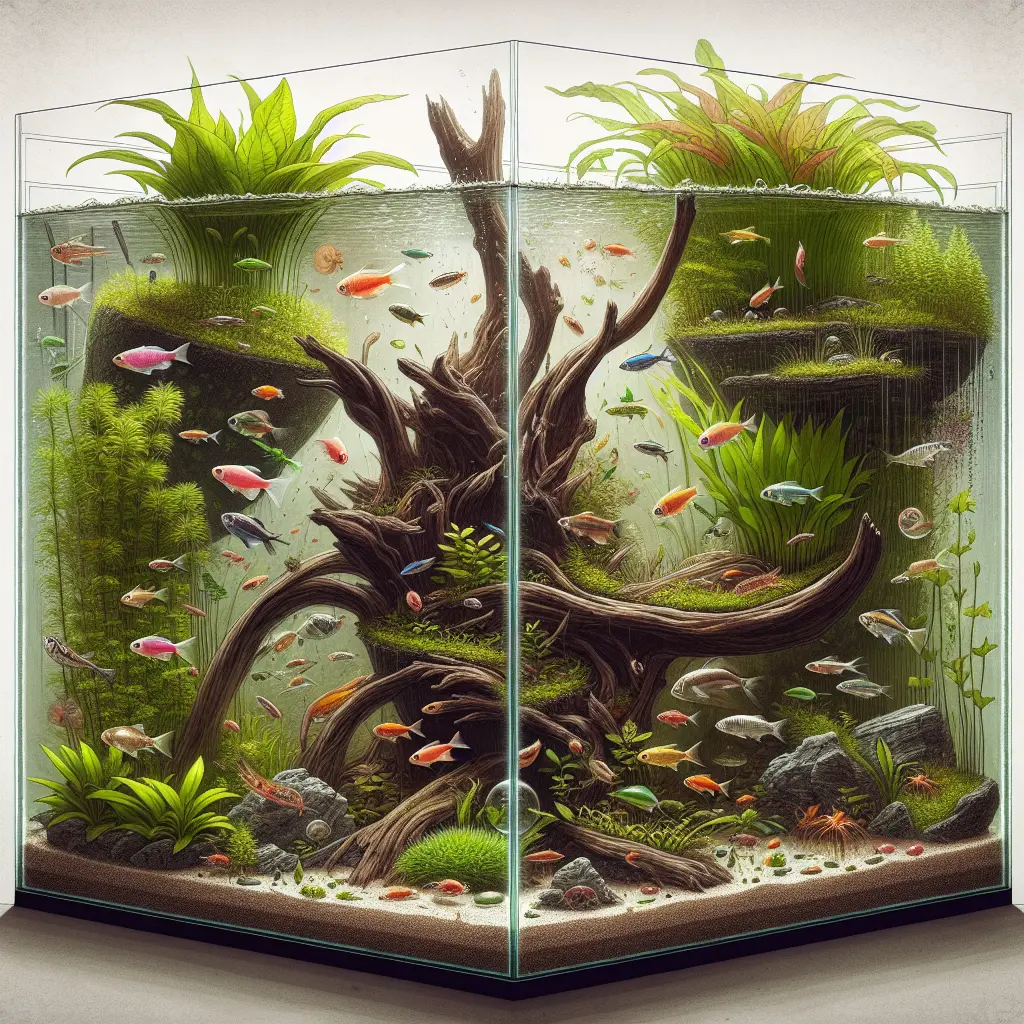
Biodiversity Boost: Introducing local flora can enhance aquascaping biodiversity, attracting local fauna like small fish and invertebrates that are familiar with these plants. This creates a self-sustaining environment that's both resilient and dynamic.
Enhancing Aquascapes with Native Vegetation
Aesthetic Appeal: From the delicate fronds of native ferns to the vibrant hues of local flowering aquatic plants, aquascaping aesthetics with native species offers unique beauty tailored to specific regions.
By incorporating these practices, aquarists can transform their setups into lively displays of local ecology, all while adhering to principles of sustainability and conservation. As more people embrace this approach, the fusion of art and nature in aquascaping promises to inspire and educate future generations about the importance of preserving our natural habitats.
Incorporating native plant species into aquascaping offers a harmonious blend of ecological responsibility and natural beauty. By leveraging the innate adaptability of local flora, aquascapers can enjoy ecosystems that are both resilient and self-sustaining. Here’s a quick recap of the benefits and strategies for using native plants in aquascaping:
Ecological Harmony: Native plants require minimal artificial intervention, fostering a balanced ecosystem naturally suited to local conditions.
Biodiversity Boost: Utilizing indigenous species invites local fauna, creating a vibrant and self-sustaining aquatic environment.

Leave a Comment