
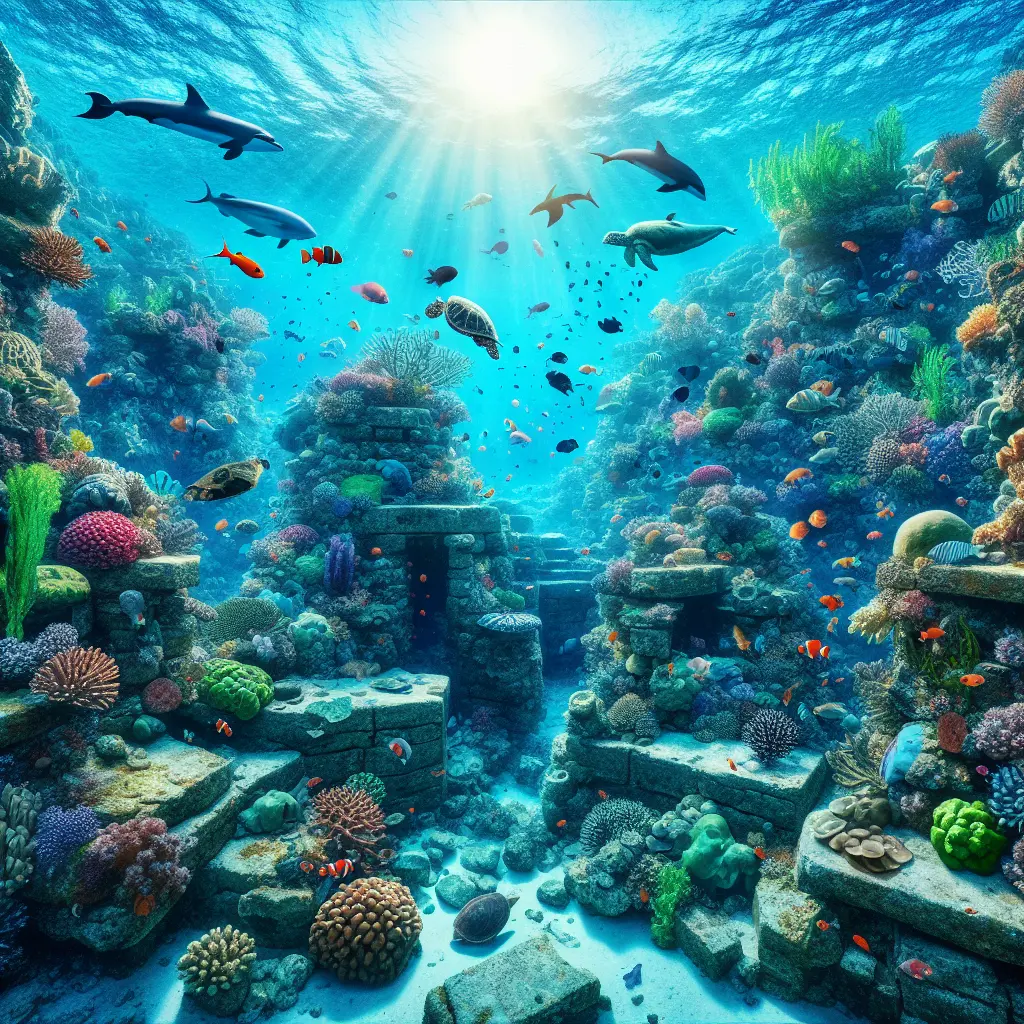
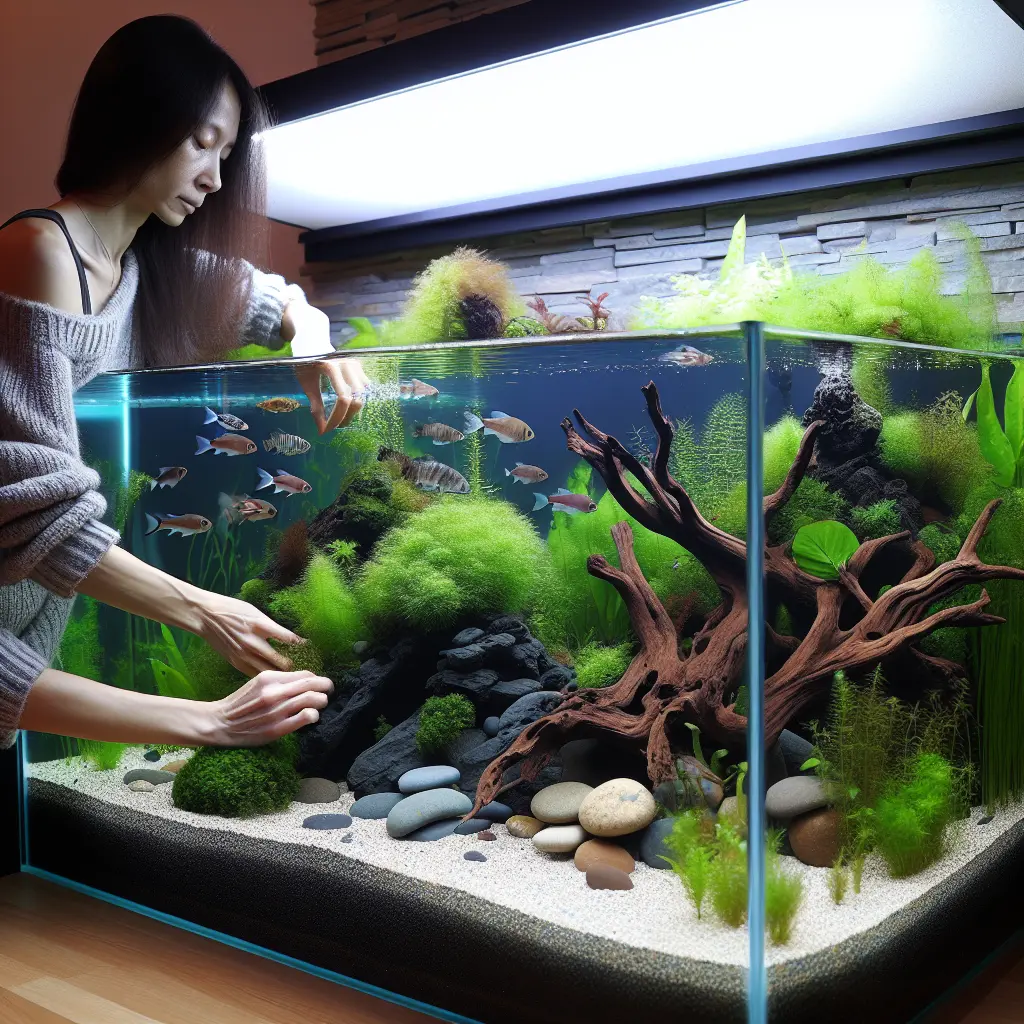
Creating a biotope aquascape is a masterful blend of science and artistry, offering an opportunity to replicate specific natural aquatic environments within an aquarium. This fascinating endeavor not only captivates the senses but also fosters a thriving habitat for aquatic life. Let's dive deeper into the intricacies of this craft, exploring the latest techniques, trends, and insights that shape the world of natural aquarium design in 2024.
Biotope aquascaping stands out for its commitment to authenticity, aiming to replicate the flora, fauna, and conditions of specific ecosystems. Unlike general aquascaping, which might focus primarily on aesthetic appeal, biotope aquascapes strive for ecological precision. The key lies in a meticulous biotope aquarium setup that mirrors natural habitats. In recent years, there has been an increasing emphasis on environmental education and conservation within the aquascaping community. According to a 2023 report by the Global Aquascaping Society, enthusiasts are now more inclined to use their aquariums as educational tools to raise awareness about endangered aquatic environments. This shift highlights the potential of biotope aquascapes as platforms for ecological advocacy.
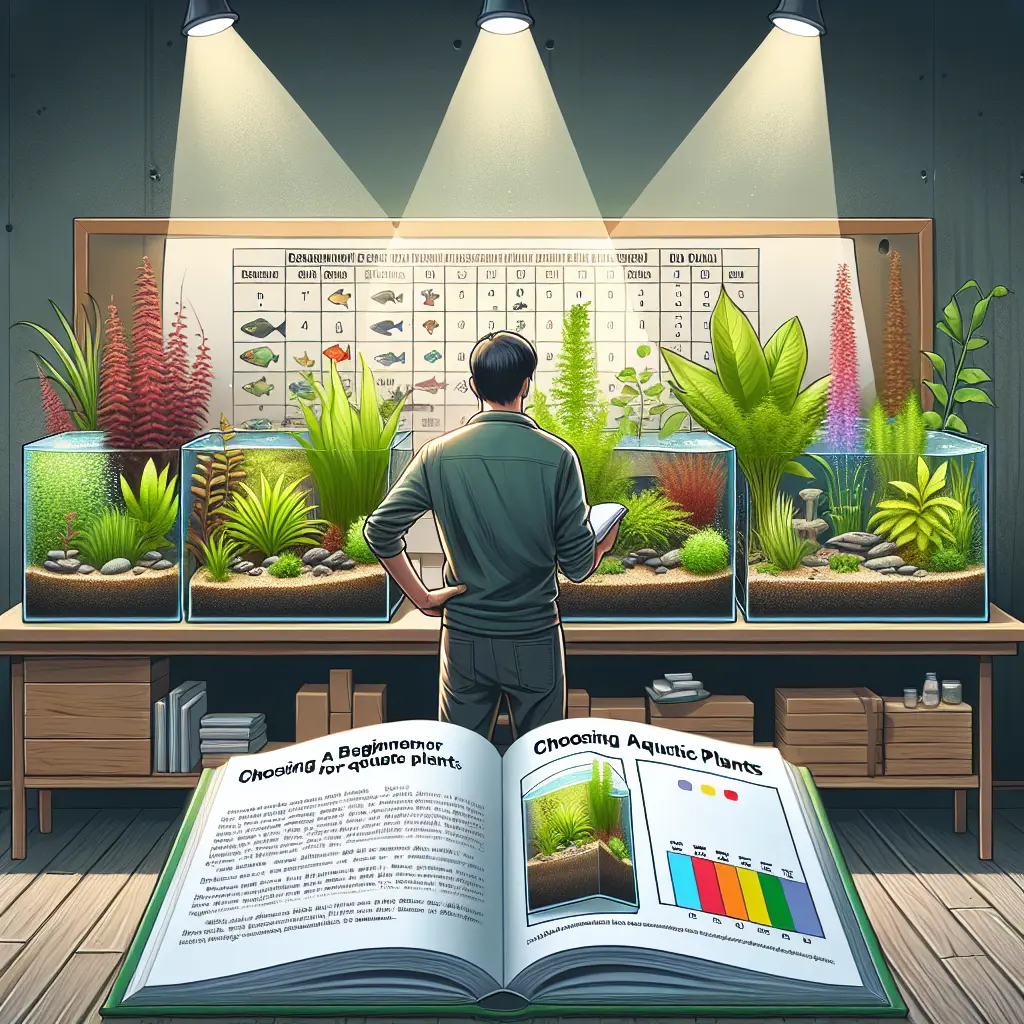
The choice of plants is pivotal in biotope aquascaping. Aquatic plant selection must align with the native species found in the chosen freshwater biotope. For instance, if you're emulating the Amazon basin, consider using plants like Echinodorus and Vallisneria, which are indigenous to this region. The correct selection not only enhances visual appeal but also contributes significantly to ecosystem health by facilitating oxygen exchange and providing shelter for fish. Recent studies published in the Journal of Aquatic Botany have shown that native plants can significantly improve water quality by naturally filtering pollutants and stabilizing the substrate. Thus, thoughtful plant selection is crucial not only for authenticity but also for maintaining a healthy aquarium ecosystem.
Creating a harmonious fish habitat involves more than just aesthetics. It requires a deep understanding of biotope species selection to ensure compatibility and sustainability within the tank. For example, replicating an African Rift Lake biotope involves choosing species like cichlids that thrive in hard, alkaline waters with rocky substrates. According to a 2024 survey by the International Aquarium Association, there's been a growing trend towards using 3D-printed rocks and substrates to mimic natural habitats more accurately. This innovation allows aquarists to create detailed underwater landscapes that provide ideal conditions for specific species, thus enhancing fish habitat creation.
Nature remains the ultimate source of aquascape inspiration. From the serene Amazonian waters to the vibrant ecosystems of Southeast Asia, each biotope offers unique challenges and rewards. The diversity of biotope tank ideas available today is staggering, encouraging enthusiasts to explore lesser-known habitats and experiment with new aquascaping techniques. A noteworthy example is the increasing interest in Asian blackwater streams. These environments, characterized by tannin-rich waters and dense vegetation, present a unique challenge for aquarists. However, they offer unparalleled opportunities for creative expression and biodiversity conservation, as highlighted in a recent feature by National Geographic on emerging trends in natural aquarium design.
Water Parameter Management: Ensuring Stability
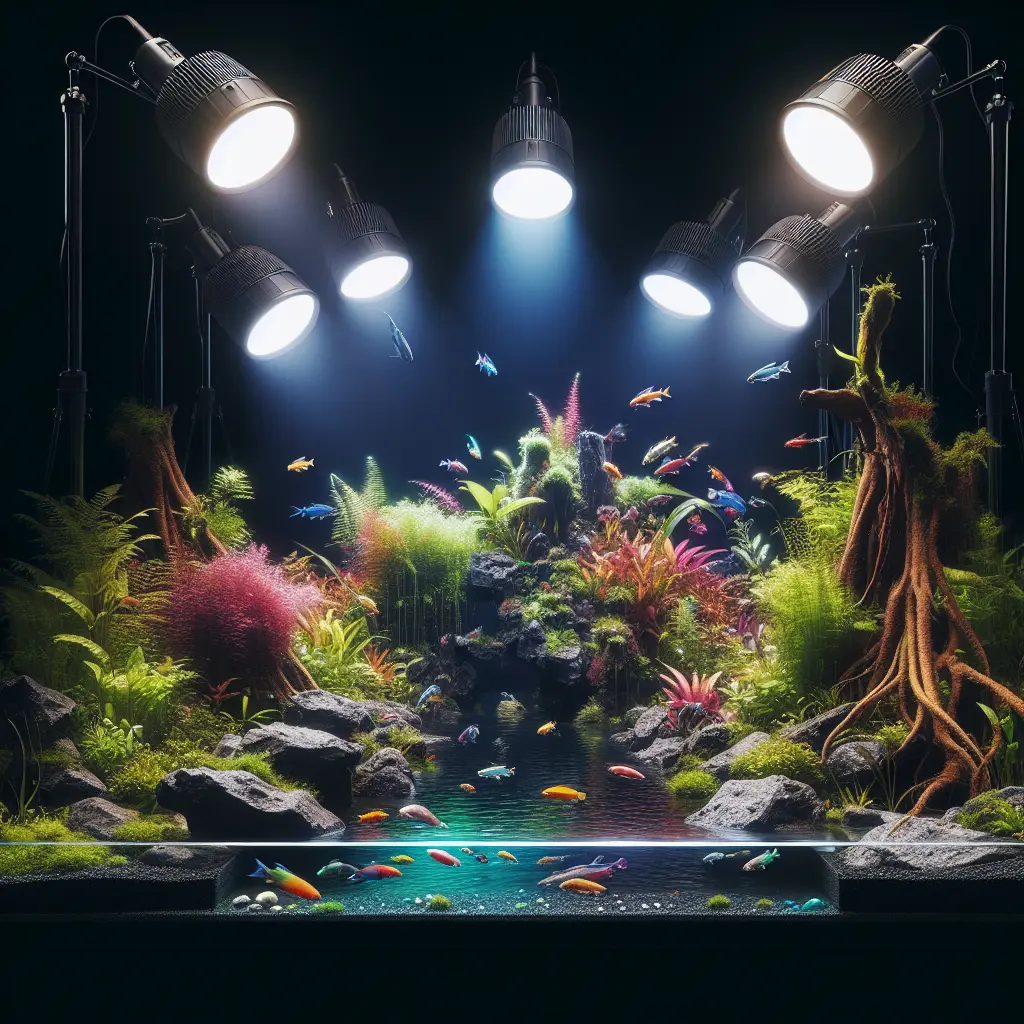
Maintaining stable water parameters is crucial to any successful biotope aquascape. Understanding the specific needs of each species and their native habitats is key to effective water parameter management. Parameters such as pH, temperature, and hardness must closely align with natural conditions to ensure the health and well-being of aquatic life. In 2024, advancements in digital water monitoring technology have made it easier than ever for aquarists to track these parameters in real-time. Devices like the Seneye Reef Monitor provide continuous updates on water conditions, allowing for immediate adjustments when needed. This technology represents a significant leap forward in aquascape maintenance tips, enabling enthusiasts to maintain pristine aquatic environments with minimal effort.
Aquatic environment simulation involves recreating the physical and chemical characteristics of a specific habitat within an aquarium setting. It's a process that demands precision and creativity. From using naturalistic materials like driftwood and stones to implementing flow patterns that mimic river currents, every detail matters. A case study from the 2023 International Aquascaping Championship showcased a winning entry that simulated an Indonesian peat swamp forest. The aquarist used intricate driftwood structures and low-light plants like Cryptocoryne to recreate the dimly lit, slow-moving waters characteristic of these environments. This example underscores the importance of attention to detail in achieving lifelike simulations that captivate observers while supporting diverse forms of life.
One of the most exciting aspects of modern aquascaping is the vibrant community that surrounds it. Online forums, social media groups, and international competitions offer endless opportunities for sharing knowledge and passion with fellow enthusiasts. Whether you're seeking aquascape inspiration or advice on biotope species selection, there's always someone ready to help.
The Aquascaper's Forum are invaluable resources for both beginners and experienced aquarists alike. They provide a platform for discussing everything from innovative aquascaping techniques to advanced aquarium ecosystem management strategies. Engaging with this community not only enhances your skills but also connects you with a global network of individuals dedicated to preserving aquatic beauty.
The Future of Biotope Aquascaping
As we look to the future, it's clear that biotope aquascaping will continue to evolve and inspire. The integration of technology, combined with a growing focus on conservation and education, promises exciting developments in natural aquarium design. With each new advancement, we move closer to creating more authentic and sustainable aquatic environments that reflect the intricate beauty of our planet's waterways.
Are you ready to embark on your own journey into biotope aquascaping? Consider starting small—perhaps by replicating a local stream or pond ecosystem—and gradually expand your skills and knowledge. Remember, every successful aquascape begins with curiosity and a passion for the natural world.
For further reading on this topic, check out Aquascaping Love for comprehensive guides and tutorials on creating stunning biotope aquariums. Additionally, Practical Fishkeeping offers expert insights into fish care and habitat creation tailored to various aquatic environments.
In the realm of biotope aquascaping, the fusion of art and science offers a captivating way to replicate and celebrate natural aquatic ecosystems. As highlighted, this practice is not just about visual appeal but aims for ecological accuracy and sustainability. Let's recap the key insights:
Dive into the world of biotope aquascaping and explore the endless possibilities it offers. Together, let's continue to nurture and celebrate the beauty of aquatic life within our homes.

Leave a Comment