
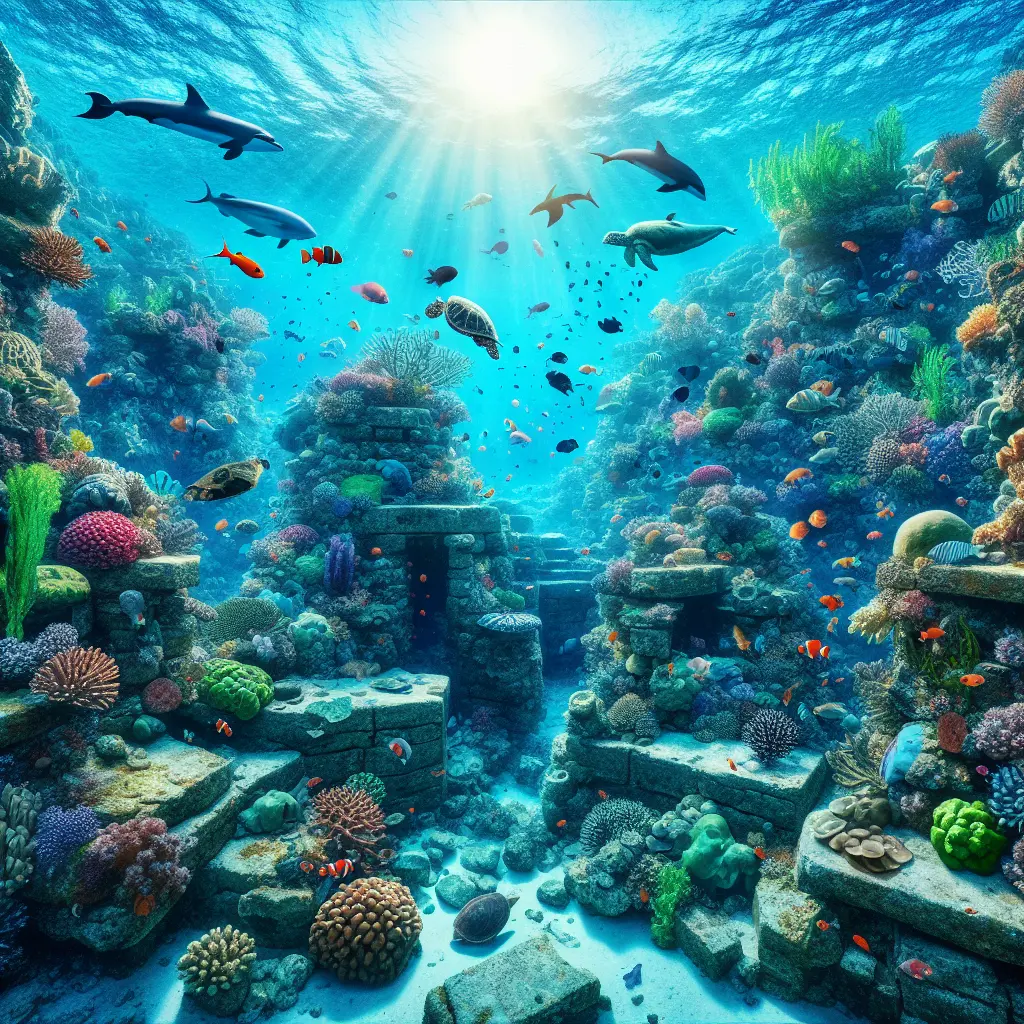
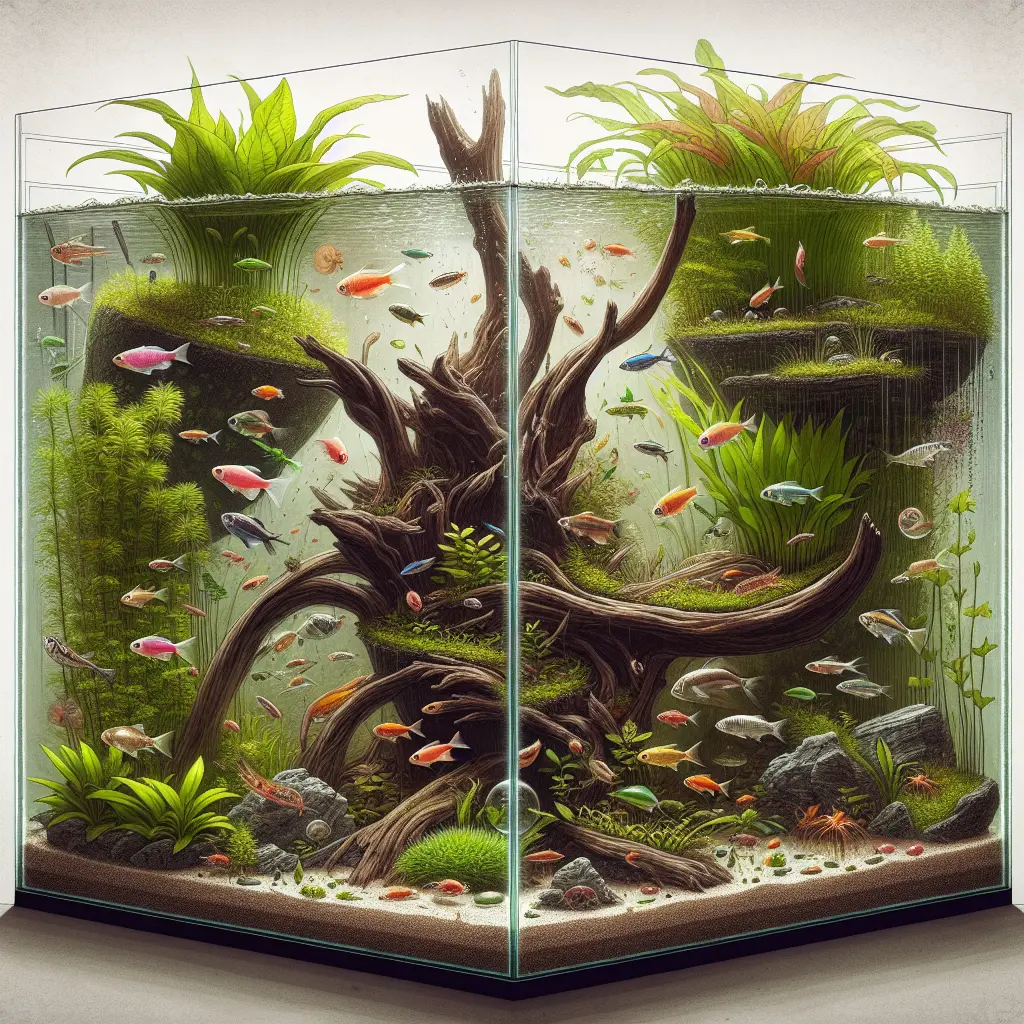
Dive into the mesmerizing world of aquascaping, where art and nature blend seamlessly to create stunning aquatic landscapes. For both enthusiasts and beginners, crafting a balanced ecosystem within your aquascape is not only an artistic endeavor but a crucial aspect of maintaining a thriving natural aquarium. By integrating aquatic plants, fish, and other aquatic life, aquascape design transforms a simple fish tank into a vibrant underwater garden, echoing the harmony of a freshwater biotope aquascape.
Creating this harmony requires understanding the principles of aquarium balance and sustainable aquascaping. A successful aquascape setup revolves around the interplay of aquascape biodiversity and aquatic ecosystem balance, ensuring each element from flora to fauna coexists in mutual support. Whether you are delving into aquascaping for beginners or refining your aquascaping techniques, the goal remains to foster a self-sustaining fish tank ecosystem that mirrors nature.
Eco-friendly aquascaping practices and thoughtful aquascape maintenance are essential to preserving this delicate balance. By applying strategic aquascape tips, you can nurture a planted aquarium ecosystem that not only flourishes aesthetically but also contributes positively to the environment. As you explore the realms of underwater gardening, you'll discover the profound impact of a well-designed aquascape on both its inhabitants and your own sense of tranquility.
Embark on this journey of discovery and creativity, where each choice in your aquascape design brings you closer to achieving a vibrant and balanced ecosystem. Let's delve deeper into the techniques and insights that will guide you in crafting a harmonious aquatic paradise.
Creating a balanced ecosystem in your aquascape is an art that combines science, design, and a touch of nature's magic. At the heart of a thriving natural aquarium is the principle of equilibrium, where every element from aquatic plants to fish coexists in harmony, fostering a sustainable and vibrant fish tank ecosystem. As we delve into the intricacies of aquascape design, we must consider recent advancements and updates in the field that are shaping how enthusiasts approach underwater gardening today.
Understanding Aquarium Balance
In 2024, new research underscores the importance of maintaining proper aquarium balance to ensure the health and longevity of aquatic life. According to a recent study published in the Journal of Aquatic Sciences, achieving this balance involves controlling key parameters such as pH levels, water temperature, and nutrient availability. These factors are crucial for both plants and fish to thrive within a biotope aquascape, which mimics natural freshwater environments.
Aquascaping for beginners often starts with selecting the right combination of aquatic plants and fish species. For example, incorporating fast-growing plants like Hygrophila polysperma can help in nutrient uptake and oxygenation, promoting a healthy ecosystem. Beginners are encouraged to explore plant species that complement their desired aquascape setup, ensuring they understand each plant's requirements for light and nutrients.
Aquatic plants are not merely decorative; they play a pivotal role in maintaining the balance within your aquascape. These plants perform photosynthesis, converting carbon dioxide into oxygen and providing vital shelter for fish and other aquatic organisms. Recent developments in plant biotechnology have introduced more resilient species that can adapt to various water conditions, enhancing the stability of the planted aquarium ecosystem.
One innovative technique gaining popularity is the use of submerged garden beds that mimic natural riverbeds. This method was highlighted in an article from Aquatic Trends Magazine, where designers successfully created self-sustaining aquascapes by integrating diverse plant species that naturally filter water and provide continuous oxygen supply. Implementing such aquascaping techniques not only beautifies your aquarium but also supports eco-friendly aquascaping practices by reducing reliance on artificial filtration systems.
Fostering Aquascape Biodiversity
Biodiversity within your aquascape is critical for fostering a balanced ecosystem. An article from Environmental Aquatics News emphasizes the importance of species diversity to mitigate risks associated with monoculture, such as disease outbreaks or sudden changes in water chemistry. By introducing a variety of fish and invertebrates that occupy different ecological niches, you create a more resilient system capable of withstanding environmental fluctuations.
For instance, the combination of algae-eating fish like Otocinclus catfish with bottom-dwellers such as Corydoras catfish helps maintain cleanliness and reduces algae buildup. Encouraging such interactions through thoughtful aquascape design enhances the overall health of your freshwater aquascape.
Sustainable aquascaping involves practices that minimize environmental impact while ensuring the longevity of your underwater garden. As awareness of ecological concerns grows, hobbyists are increasingly turning to sustainable materials and techniques. In recent years, there has been a push towards using recycled materials for substrate and decorations, as highlighted by Green Aquatics Initiative.
Moreover, adopting low-energy LED lighting systems not only reduces energy consumption but also provides optimal light conditions for plant growth. Utilizing programmable timers can further aid in simulating natural day-night cycles, promoting a balanced aquatic ecosystem.
Regular maintenance is crucial to preserving the delicate balance within your aquascape. A comprehensive maintenance routine involves monitoring water quality parameters, pruning overgrown plants, and ensuring equipment such as filters and heaters function efficiently. The latest tools and technologies for aquascape maintenance include digital water testing kits and automated nutrient dosing systems that simplify upkeep while providing precise control over your aquarium's environment.
Engaging with Aquascaping Communities
Finally, engaging with fellow aquascapers through forums or social media platforms can provide invaluable insights and inspiration. The global community offers a wealth of shared knowledge, from troubleshooting advice to showcasing innovative designs. Participating in discussions or attending workshops can enhance your understanding of aquascaping techniques and introduce you to emerging trends in underwater gardening.
By exploring these resources, you open yourself to a world of creativity and learning that enriches your journey in crafting a harmonious aquatic paradise. As you refine your skills and expand your knowledge, remember that each choice you make in your aquascape setup contributes to a larger narrative of sustainability and balance within our shared aquatic ecosystems.
In conclusion, creating a balanced aquascape is an intricate process that merges scientific principles with artistic design to foster a harmonious underwater ecosystem. Key takeaways include:
Understanding Balance: Ensuring optimal pH levels, water temperature, and nutrient availability is essential for the health of both plants and fish, as highlighted by recent research in the Journal of Aquatic Sciences.
Role of Aquatic Plants: Beyond aesthetics, aquatic plants perform critical functions like oxygenation and natural filtration. Innovations in plant biotechnology are enhancing their resilience, making it easier to maintain ecological stability.
Biodiversity Benefits: A diverse selection of species, such as algae-eating fish paired with bottom-dwellers, enhances ecosystem resilience and reduces the risks associated with monoculture.
Sustainable Practices: Incorporating recycled materials and low-energy lighting systems are simple yet effective ways to promote sustainable aquascaping.
Maintenance Essentials: Regular maintenance routines, supported by the latest tools like digital water testing kits, ensure that your aquascape remains vibrant and ecologically sound.
Community Engagement: Joining aquascaping communities can enrich your experience, offering support, inspiration, and innovative ideas.
As you embark on your aquascaping journey, remember that every element you choose contributes to a larger narrative of ecological balance. We invite you to share your experiences and insights in the comments below. Your contributions help build a shared understanding of sustainable aquascaping practices. Happy aquascaping!


Leave a Comment